
Addition, subtraction, money, measurement, and place value are important to everyday computation and they set the tone for fluency in every math topic to follow. Often curriculums have so much to introduce, though, that parents and teachers have to add more- practice, repetition, explaining conceptual ideas again, review- if they want to prioritize mastery. It often doesn’t work to just move on, though, because the skills build on one another.
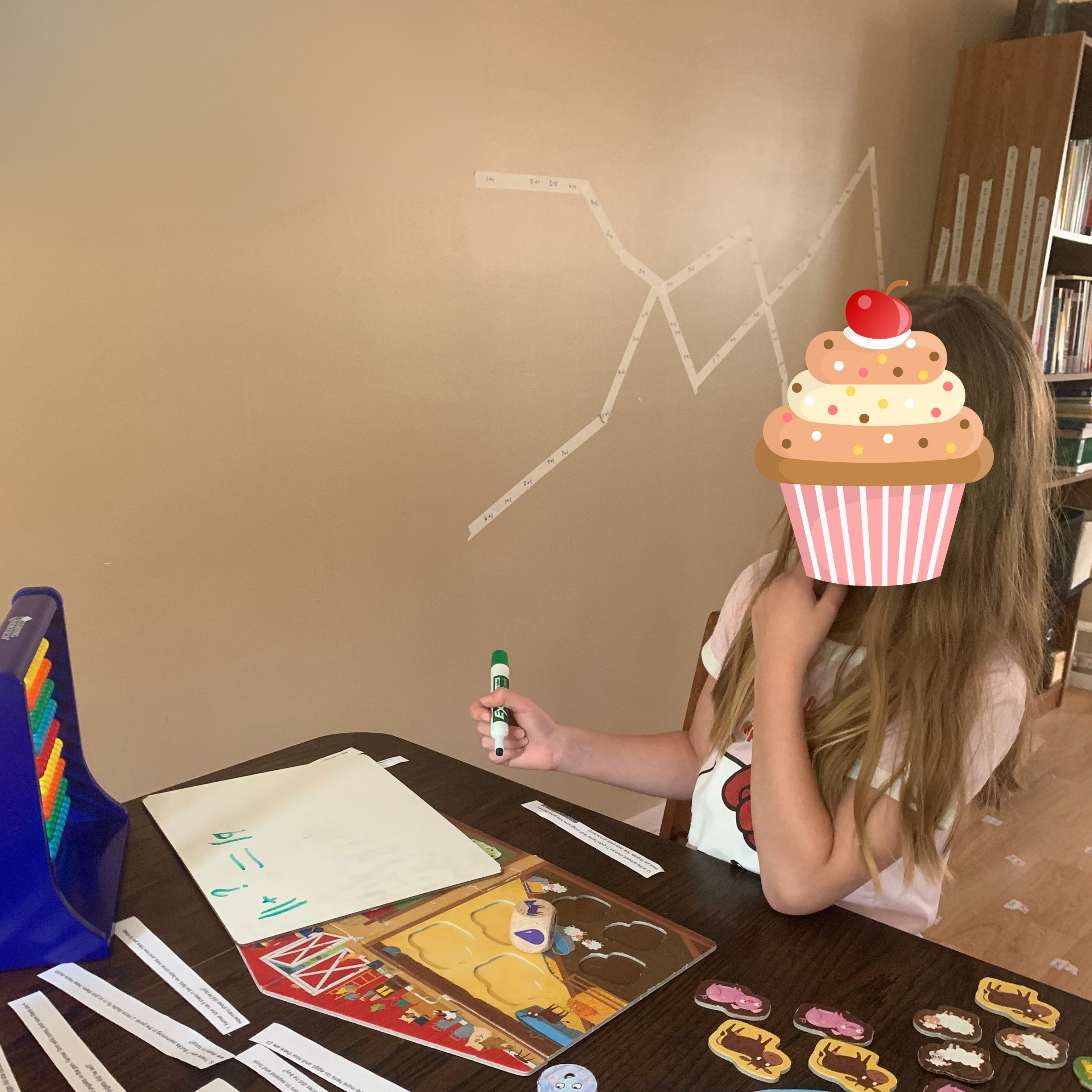
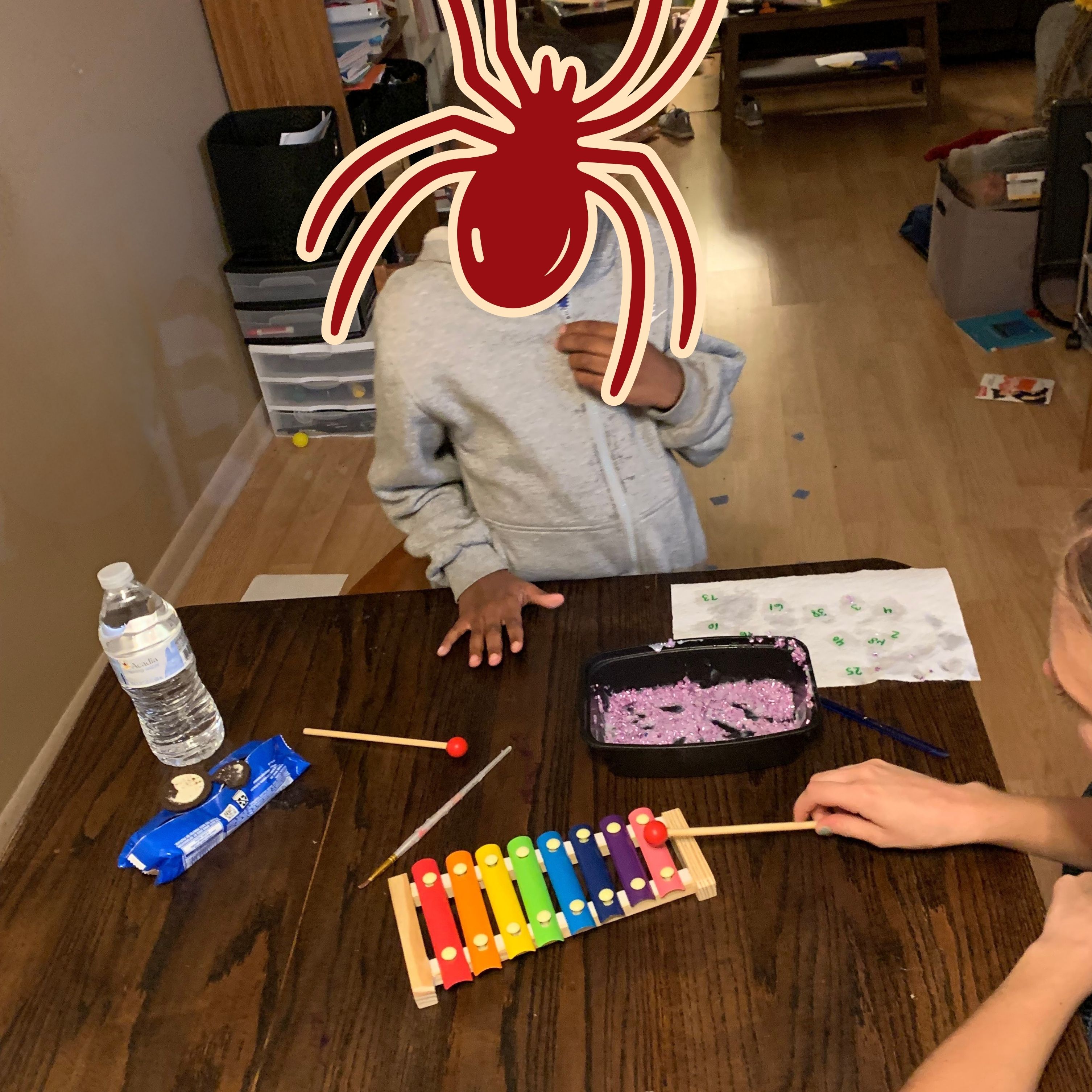
Most K-1st grade students at this level make consistent progress with two half hour sessions weekly. Older students may benefit from additional time (one hour blocks usually suggested for students 2nd grade and older) to make faster progress or meet additional gaps. If you have concerns about dyslexia, visual or auditory learning challenges, gaps from switching schools or disrupted family routines, ADHD/ADD, Autism, other reasons why your student may benefit from individualized instruction, Send Me a Message.
Some parents can easily remember some of their times tables, but maybe only the more common ones and they can’t seem to confidently remember how multiplication, division, fractions, decimals, angles, and factoring were explained to them in a way they could understand.
Homeschooled 2nd-5th graders still need lots of support and accountability, but their math is getting a little more complicated. Kids who come home from school with math homework are still certain that you know how the whole world works, but you’re not sure whether you’re explaining it accurately. That’s where a tutor like me is the perfect bridge.
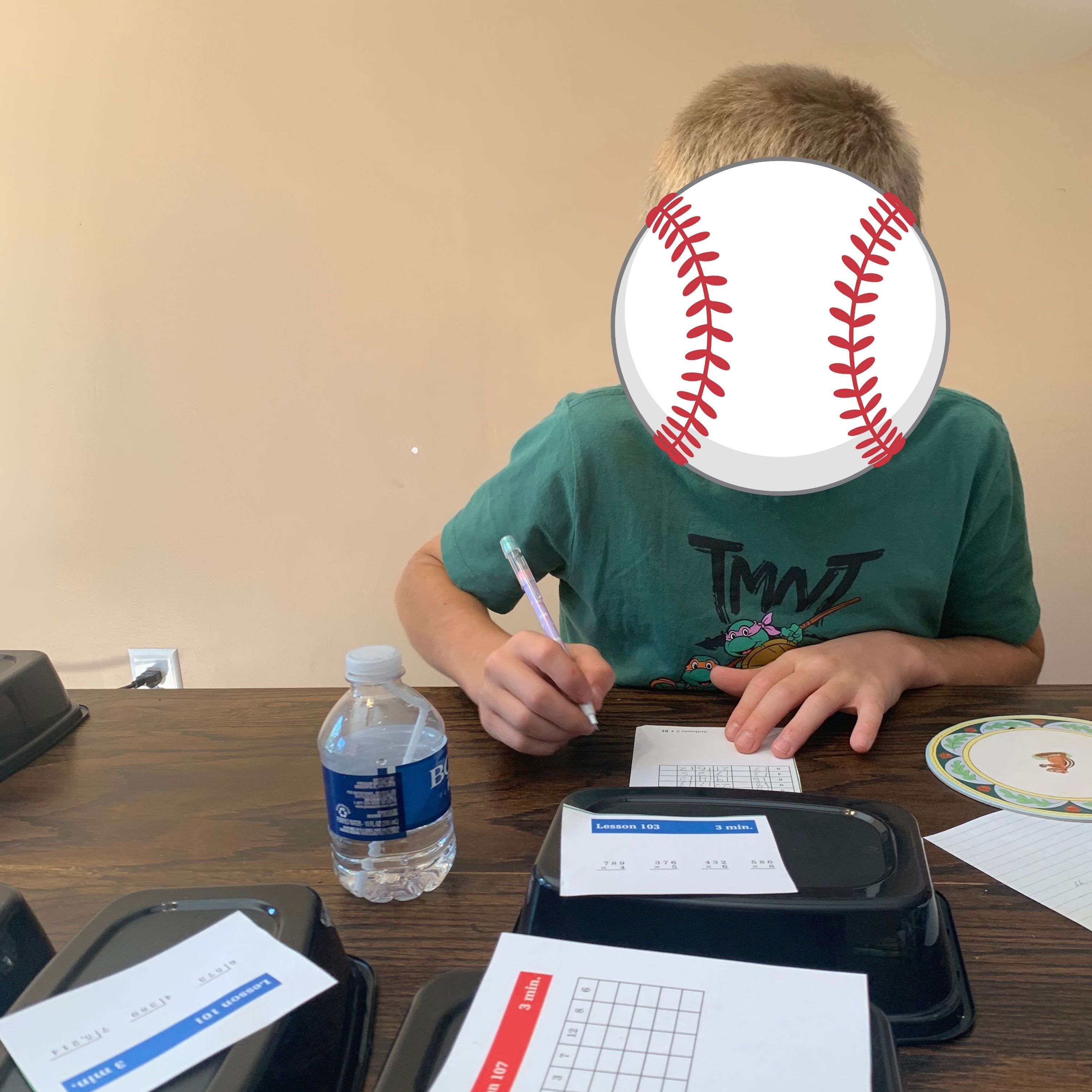

If you have concerns about dyslexia, visual or auditory learning challenges, gaps from switching schools or disrupted family routines, ADHD/ADD, Autism, other reasons why your student may benefit from individualized instruction, Send Me a Message.
Your 7th grader is already learning math that seems over your head. Your 8th grader claims school is great, but you notice no math homework being done at home. Your freshman is fairly independent about doing their math course but is clearly not understanding most of it, as evidenced by their lack of real-world math skills being applied in the family business. Your junior has big dreams to go to college to be a doctor or engineer but they haven’t even gotten a B in Algebra 2 yet.
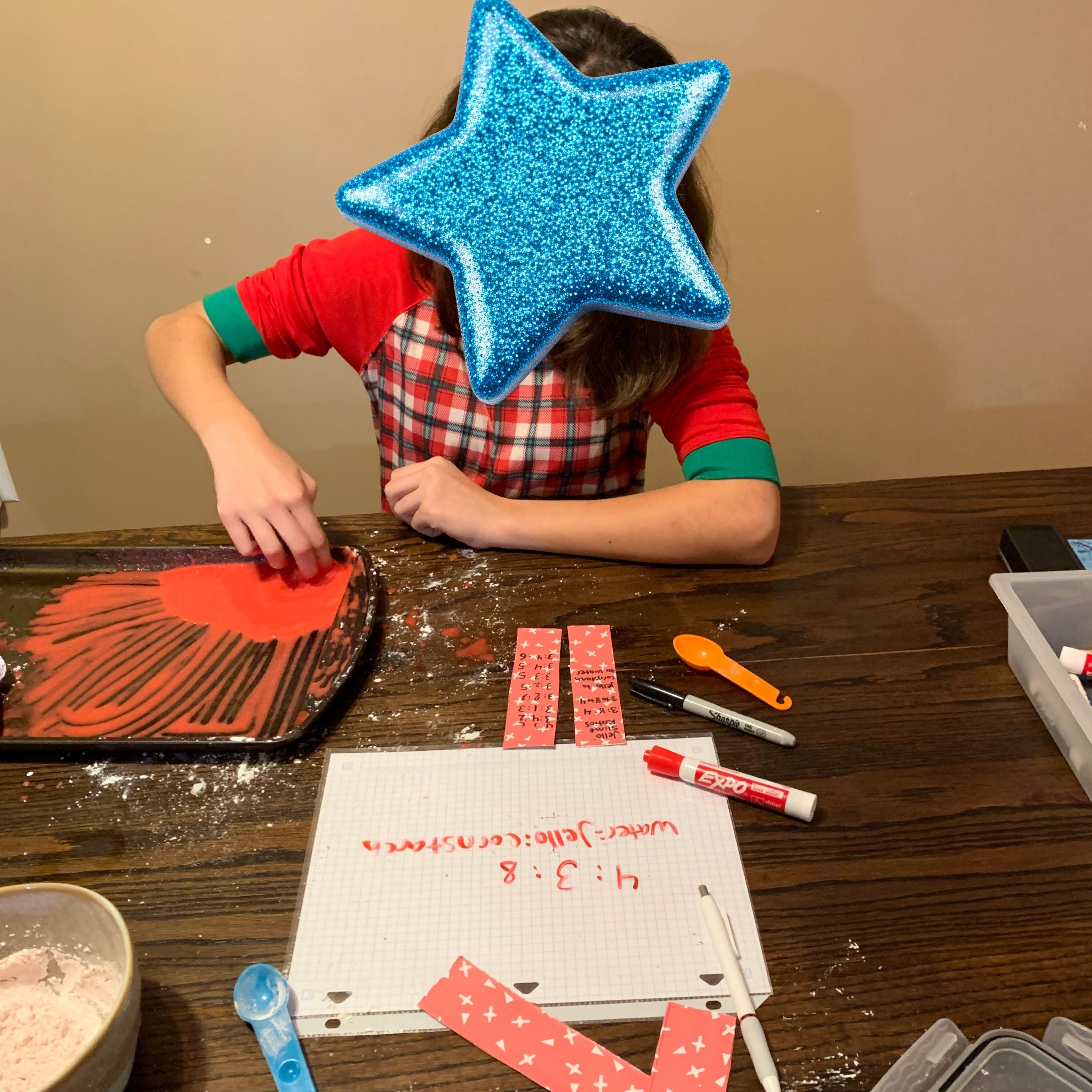
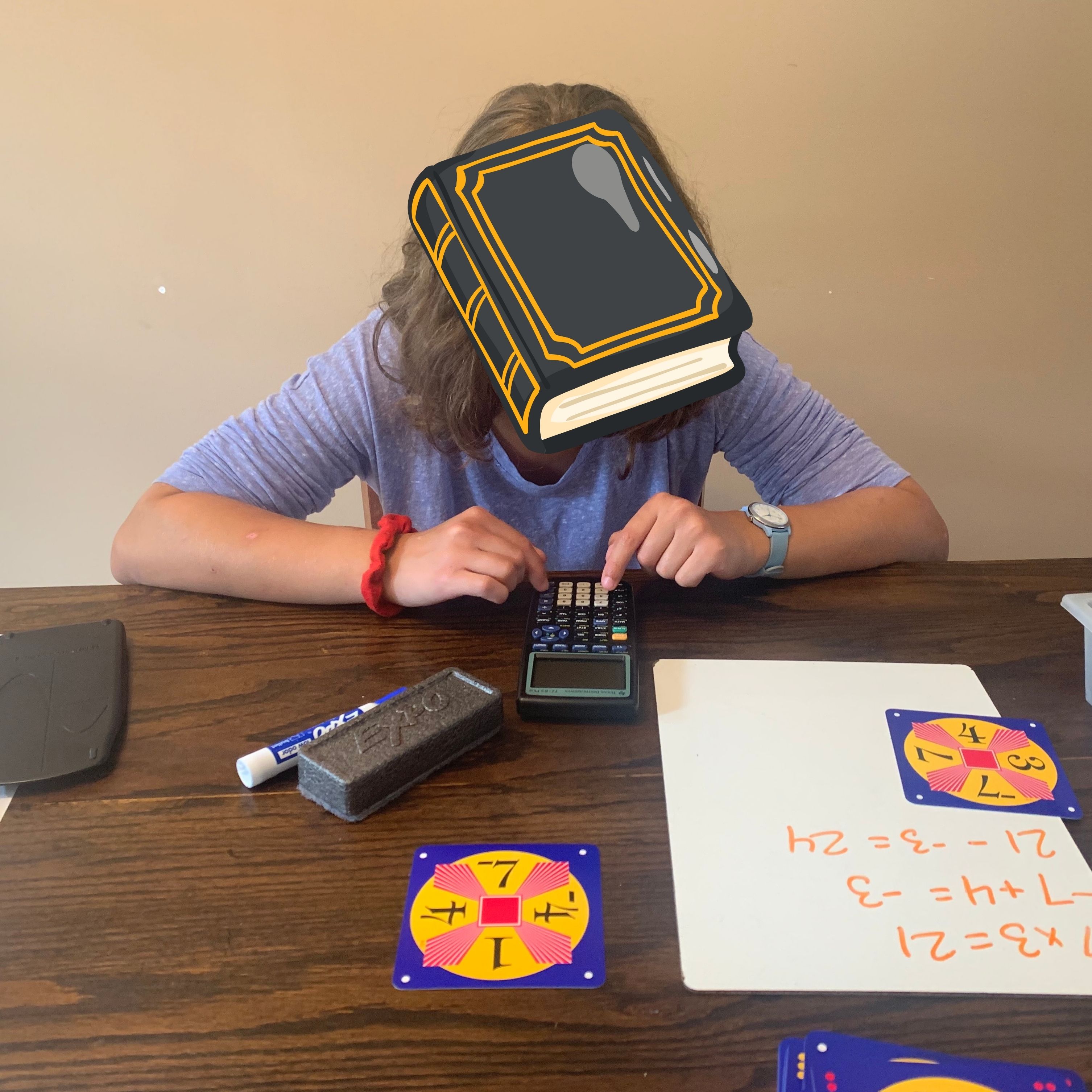
Most 6th - 12th grade students make consistent progress with one hour sessions weekly. Some students with additional support (co-op, cyber, hybrid) options might only need a half hour session weekly. If your student is receiving both math and reading/writing/spelling tutoring, more than one hour weekly may be best. If you have concerns about dyslexia, visual or auditory learning challenges, gaps from switching schools or disrupted family routines, ADHD/ADD, Autism, or other reasons why your student may benefit from individualized instruction, Send Me a Message.